01
The fifteen neighbourhoods
Click a neighbourhood for the full guide.

Estrela
Estrela
Read the guide →

Santa Maria Maior
Chiado
Read the guide →

Misericórdia
Príncipe Real
Read the guide →

Santa Maria Maior
Alfama
Read the guide →

Estrela
Lapa
Read the guide →

Alcântara
Alcântara
Read the guide →

Estrela
Santos
Read the guide →
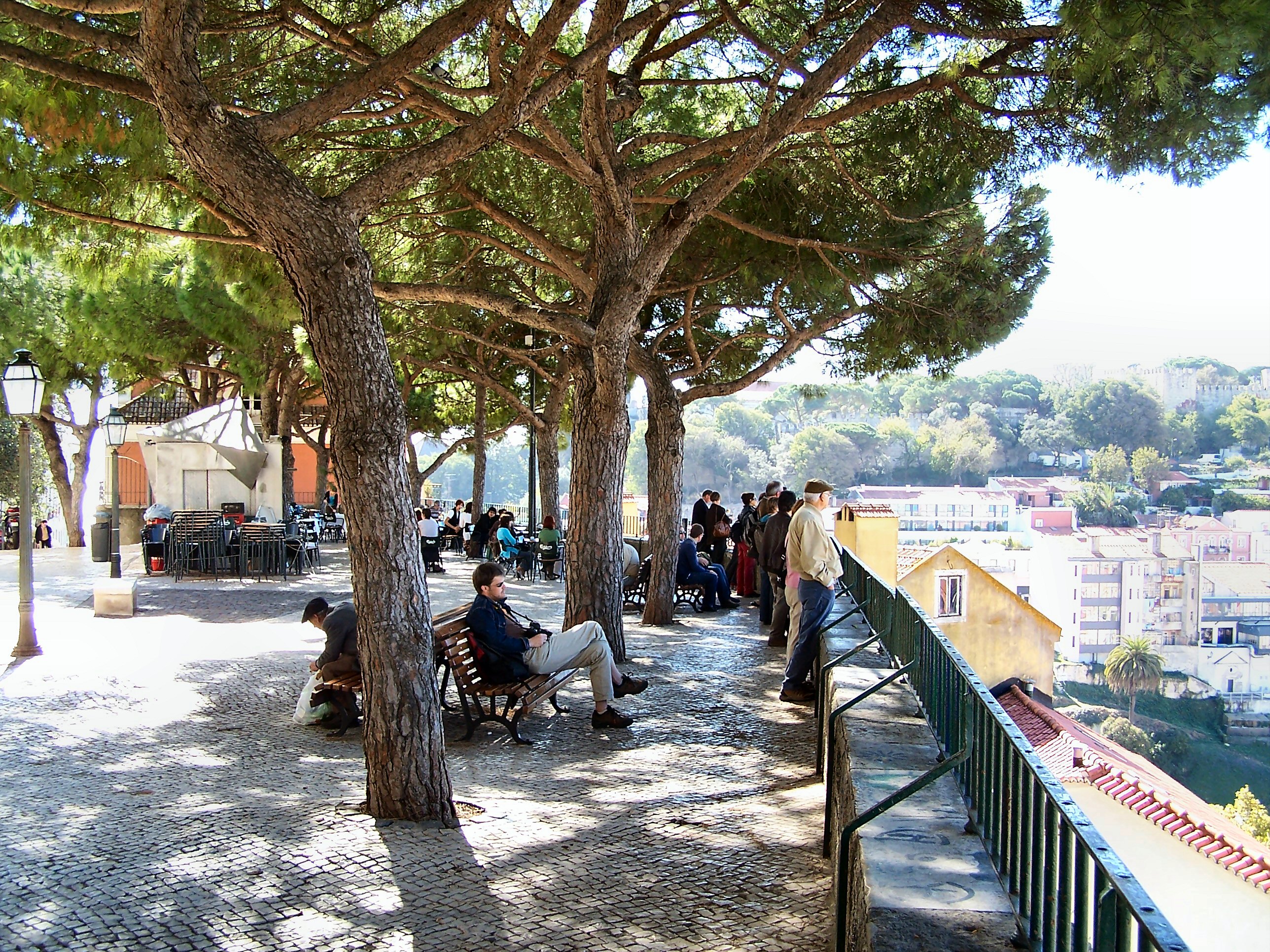
São Vicente
Graça
Read the guide →
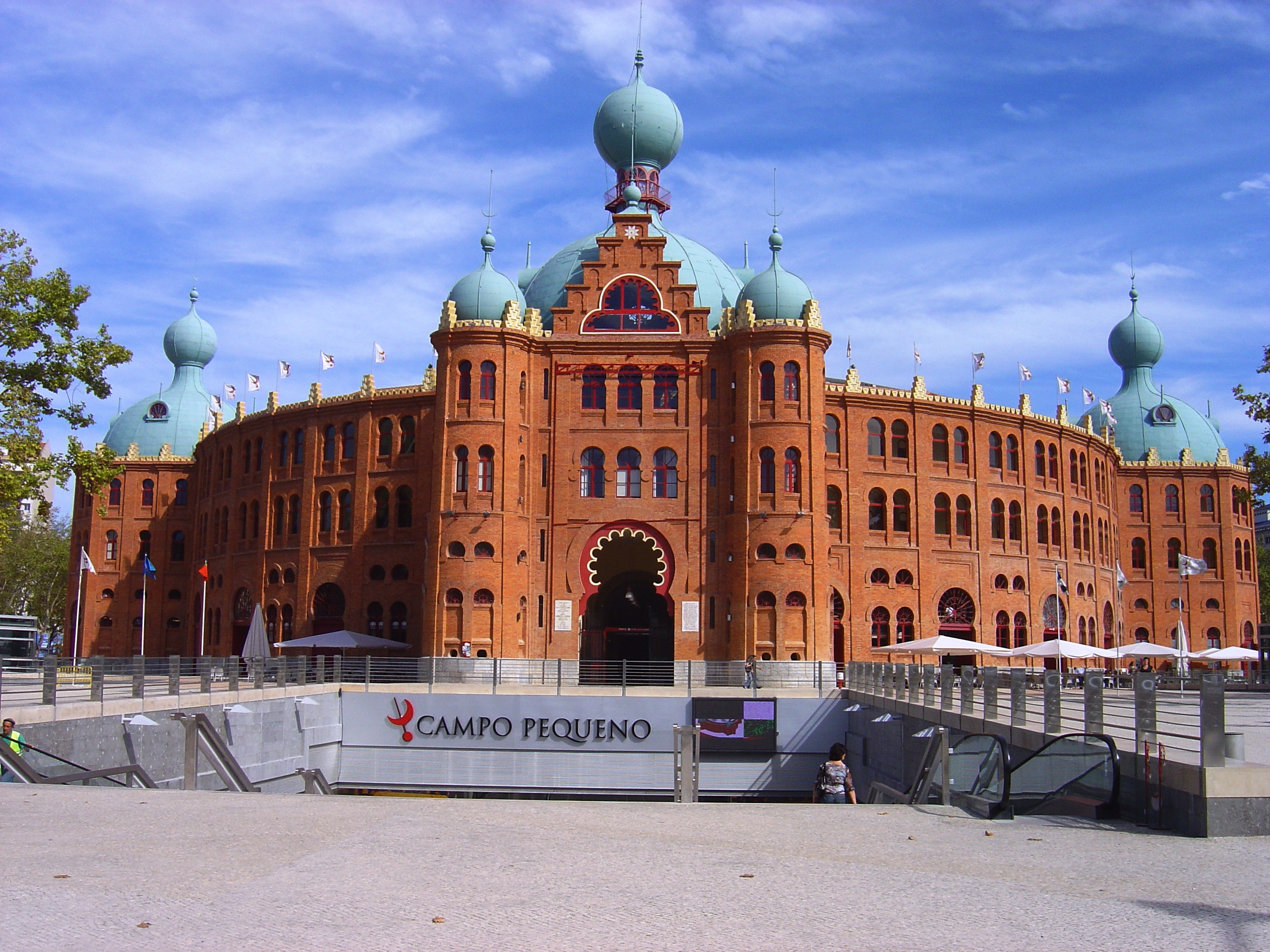
Avenidas Novas
Avenidas Novas
Read the guide →
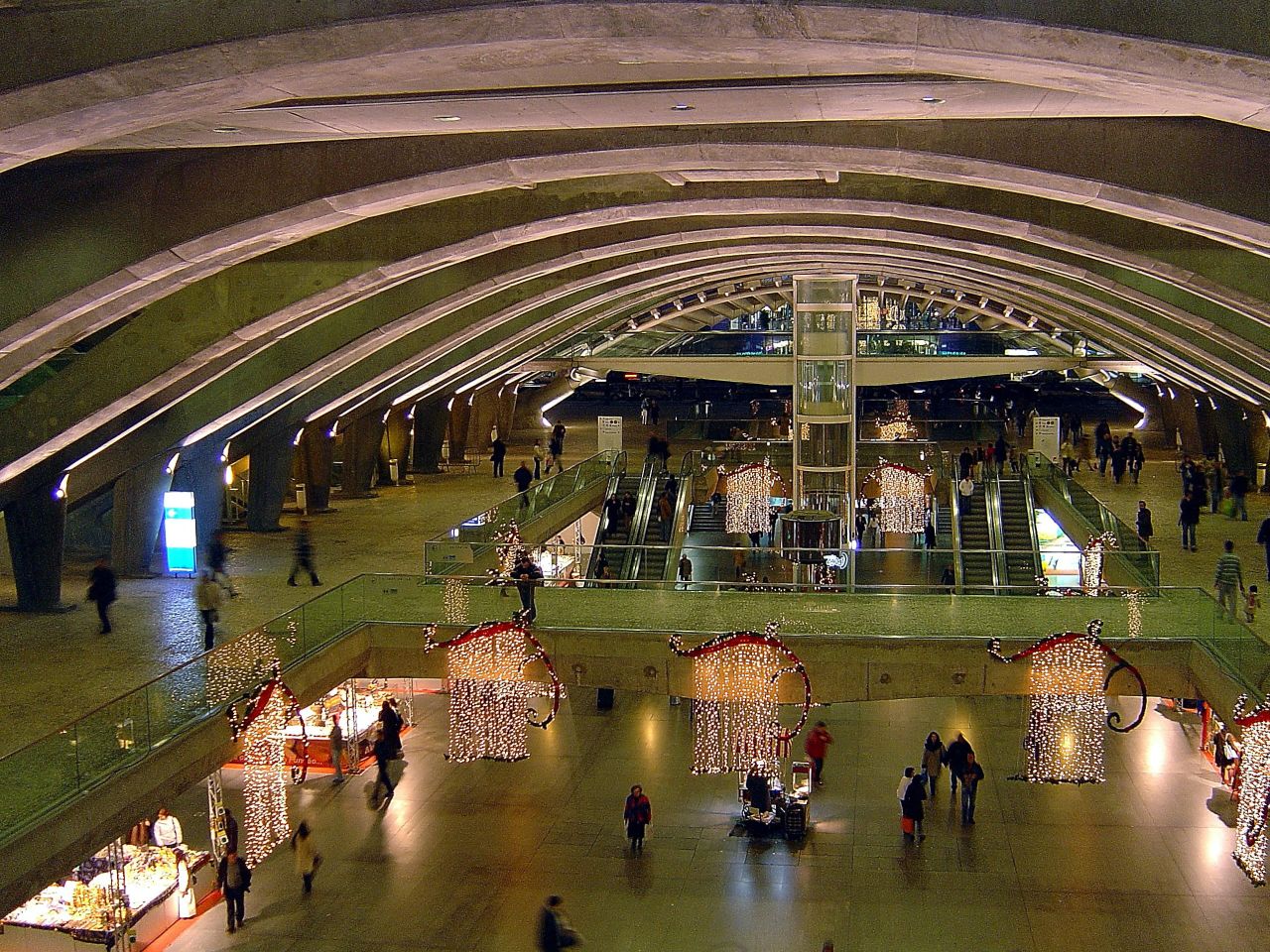
Parque das Nações
Parque das Nações
Read the guide →

Campo de Ourique
Campo de Ourique
Read the guide →

Belém
Belém
Read the guide →

Penha de França
Penha de França
Read the guide →

Arroios
Arroios
Read the guide →
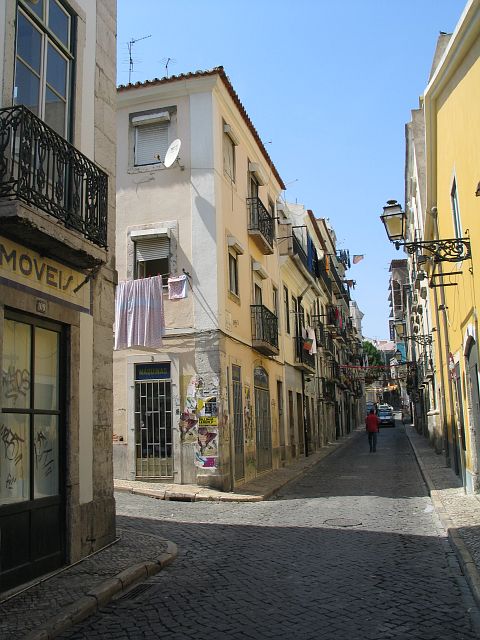
Misericórdia
Bairro Alto
Read the guide →